
What to Know About the Lifespan of Tooth Bonding
Extend Your Dental Bonding Lifespan
Hi-Tech Family Dentistry offers helpful tips and tricks about maintaining and extending your dental bonding lifespan in Southfield, MI. A dental bond is an effective, long-lasting method of reversing the effects of teeth flaws and damage, such as cracks and chips. However, like any dental treatment, it will eventually wear, tear, and degrade in quality over time. The following offers information about what dental bonding is, what it does, how it can be damaged, and how to repair and enhance it. Please read on and discover how to take care of your dental bonding and improve your oral health.
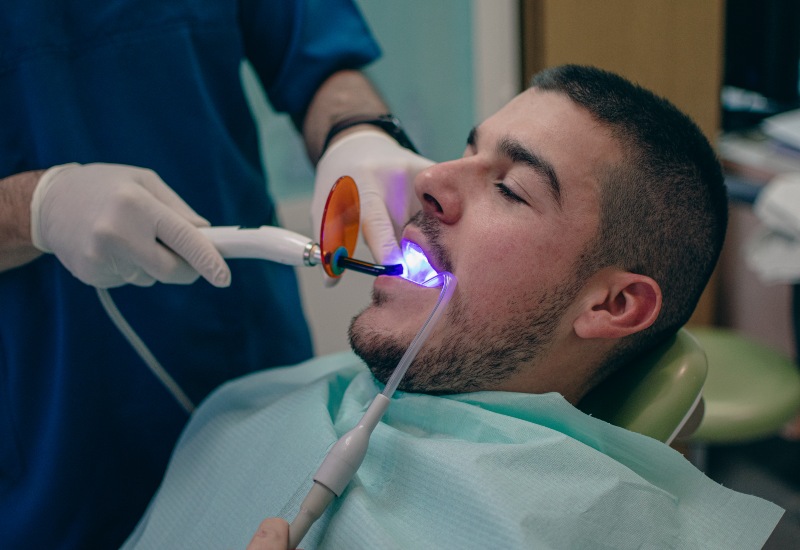
What is Dental Bonding?
Dental bonding is a form of cosmetic dental appliance used to reverse and correct minor flaws. It comprises a tooth-colored composite resin that looks and functions like natural teeth. During application, the resin is placed over the discolored or damaged part of the affected tooth, giving it a polished appearance and softening any jagged or sharp edges. Some of the cosmetic oral and dental objectives that dental bonding can accomplish include the following:
- Repair chipped and cracked teeth.
- Close gaps between teeth.
- Remove stains and discoloration.
- Improve the shape and length of teeth.
- Protect exposed roots.
- Fill small cavities.
How Long Does Dental Bonding Last?
On average, dental bonding can last between five and 10 years if properly maintained and cared for. Some factors that contribute to and alter a dental bonding’s lifespan include the following:
- The Bonding’s Location: Front teeth bonding usually lasts longer than back teeth bonding because they experience less pressure and wear while chewing and biting
- Appliance Quality: The materials from which the bonding is made and the quality of its application can significantly impact its lifespan.
- Usage: The more you use your dental bonding, the quicker it will likely wear out and need to be replaced.
What Factors Affect Dental Bonding Durability?
Dental bonding doesn’t last forever. Eventually, you’ll need to get yours replaced. However, some factors can affect its strength and resistance, impacting its lifespan. Those factors include the following:
- Oral Hygiene: Daily tooth brushing, flossing, and rinsing will help preserve the strength and stability of your bonding and the tooth it protects.
- Diet and Chewing Habits: Excessively biting and chewing hard foods can pressure the bond, causing it to wear and become damaged over time.
- Bruxism: More commonly known as teeth grinding, bruxism is a harmful condition that can quickly wear out a dental bond.
- Bite and Teeth Alignment: An uneven or misaligned bite can stress the bonding, reducing its lifespan and performance.
Helpful Dental Bonding Maintenance Tips
If well-maintained, dental bonding can last for up to 10 years. That’s why treating it with care throughout its lifespan is critical. Here are some small but essential steps you can take to keep your dental bonding in good condition:
- Practice Good Dental Habits: Brush your teeth at least twice daily and floss daily. You can use a soft-bristled toothbrush that is softer on your dental bonding.
- Avoid Staining Food and Drink: Over time, your bonding may stain. That’s why you should limit coffee, tea, wine, chocolate, and other staining foods and beverages.
- Address Dental Bonding Problems: If you notice issues like chips, cracks, or discoloration, contact your dentist immediately to prevent further damage.
Knowing When to Replace Dental Bonding
Knowing when it’s time to repair or replace your dental bonding is crucial to preserving the appearance and functionality of your teeth. By having yours evaluated, you could save yourself time, money, and pain in the long run. The signs that you may need a new dental bonding include, but are not limited to, the following:
- Irreversible Wear and Tear: Any bonding, no matter its material or quality, will wear out over time. If you’ve had yours for years or it feels thin or uneven, it may be time to replace it.
- Tooth Sensitivity: If the tooth your bonding protects is beginning to hurt or feel sensitive again, it could mean the bonding has worn away and can no longer adequately do its job.
- Old Age: Dental bonding typically lasts five to 10 years, depending on how well it’s maintained. If yours is several years old, you should at least have it checked by a dentist.
Final Thoughts and Recap of Dental Bonding Lifespan
Hopefully, this guide helped you understand the ins and outs of dental bonding. Here are the key takeaways you should remember when caring for your dental bonding’s lifespan and quality:
- Take Care of Your Dental Bonding: Brushing, flossing, consuming stain-free food and drink, and treating your bonding gently can help maintain its quality and lifespan.
- Know Its Lifespan: If your bonding is five years old or older, you should make a dental appointment to have it assessed.
- Schedule Dental Appointments Regularly: Your dentist is the only person who can determine the condition of your bonding. So, ensure you visit them routinely.
Extend Your Cosmetic Dental Bonding Lifespan
After your dental bonding has been secured and has time to settle, one of the best things you can do to take care of it is practice good oral health and hygiene habits. This can include brushing and flossing daily, refraining from drinking dark liquids and smoking, and ensuring you remember to schedule dental appointments at least once every six months, if not more.
If you have any additional questions or concerns regarding your dental bonding’s lifespan and how to properly care for it, please get in touch with Hi-Tech Family Dentistry. Our team has years of experience and advanced training in applying, caring for, and maintaining dental appliances, treatments, and solutions. Whether you’re considering getting a dental bond or want to better care for your current one, we will provide the guidance and expertise you need to maximize its performance, ensuring it protects your teeth for years to come. Contact us today to schedule a dental appointment and get started.