
The Role of Dental Bridges in Preventing Teeth Shifting and Bite Problems
The Role of Dental Bridges in Preventing Teeth Shifting and Bite Problems
Have you lost one or more teeth because of an injury, tooth decay, or another cause? You might think losing a molar in the back of your mouth is negligible since nobody can see the gap, but the effect of a missing tooth can devastate your oral health and appearance if you don’t replace it. Fortunately, Hi-Tech Family Dentistry can resolve one or more missing teeth at our Southfield, MI practice with dental bridges. Our practice is always ready and willing to assess your oral cavity and determine if a dental bridge is the best option for your oral health, aesthetic needs, and budget. Below, we help you feel confident about getting a dental bridge by explaining its role in preventing teeth shifting and bite problems.
What Are Dental Bridges?
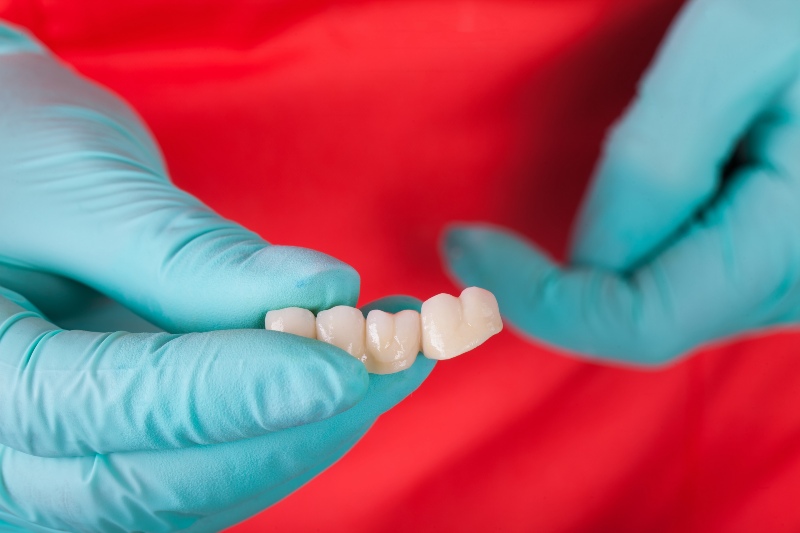
A dental bridge is a custom restoration designed to fill gaps left by missing teeth. It consists of prosthetic teeth, called pontics, held in place by abutments or crowns fixed onto the natural teeth or implants bordering the space. Beyond restoring a full smile, these bridges are essential for preventing neighboring teeth from shifting out of alignment. By maintaining facial structure and evening out bite pressure, a bridge ensures long-term oral stability while reviving the patient’s natural aesthetic and chewing function.
What Happens When a Missing Tooth Is Not Replaced
When you leave a gap in your smile, your mouth begins a slow process of shifting. Your remaining teeth act like books on a shelf. If one is removed, the others start to tilt and lean into the empty space. This movement can ruin your bite, making it difficult to chew comfortably and even leading to jaw pain or headaches. Over time, the bone underneath the gum also weakens, which might eventually cause neighboring healthy teeth to become loose or fall out.
How Do Dental Bridges Prevent Teeth Shifting?
You can think of a dental bridge as a sturdy placeholder that keeps your smile in perfect alignment. By filling the empty gap left by a missing tooth, it acts as a literal bridge that pushes back against the neighboring teeth. This constant, gentle support ensures your natural teeth stay exactly where they belong instead of drifting or tilting into the open space. Because the bridge is anchored securely, it preserves your original bite and prevents that “domino effect” of movement. Having Hi-Tech Family Dentistry install a bridge essentially locks your teeth in position, protecting your jaw health and keeping your smile straight and functional for years.
Bite Problems That Dental Bridges Help Avoid
Maintaining proper alignment is vital for more than just aesthetics. This dental task protects your overall oral health. When teeth shift into empty gaps, your upper and lower arches no longer meet correctly. Dental bridges intervene by stabilizing these positions, preventing the long-term structural damage and muscular strain caused by an uneven bite. Below, we’ve described a few common bite problems that your new dental bridge can help you avoid:
- TMJ Disorders – Misalignment can place excessive pressure on the jaw joints, leading to chronic facial pain or clicking.
- Enamel Erosion – Teeth that hit at awkward angles wear down faster, causing sensitivity and potential fractures over time.
- Supra-Eruption – Without an opposing force, the tooth above a gap can drift out of its socket.
What Types of Dental Bridges Are Available?
Modern restorative dentistry offers several versatile options for replacing missing teeth and restoring your smile’s function. Depending on your oral health needs and the location of the gap, our team will recommend a specific bridge design to ensure lasting durability. Some typical types of dental bridges include the following:
- Traditional Bridges – These use crowns on natural teeth flanking the gap to secure a floating prosthetic tooth.
- Cantilever Bridges – Ideal for back teeth, this design anchors the replacement to only one adjacent natural tooth.
- Maryland Bridges – A conservative choice using a metal or porcelain framework bonded to existing teeth.
- Implant-Supported Bridges – These provide maximum stability by anchoring the bridge directly to surgical dental implants.
Who Is a Good Candidate for a Dental Bridge?
Determining if you are a suitable candidate for a dental bridge involves assessing your overall oral health and the stability of your remaining teeth. Ideally, Hi-Tech Family Dentistry’s patients should have healthy gums and solid bone structure to support the restoration. If you have one or two missing teeth, this procedure can prevent your natural teeth from shifting out of place. Dentists typically recommend bridges for those committed to diligent hygiene habits, ensuring the prosthetic stays functional and clean for many years.
Aftercare Tips for Better Oral Health & Comfort
Once your new bridge is securely in place, your initial concern should be on managing sensitivity and protecting the site as it settles. Avoid sticky or excessively crunchy foods for the first few days to prevent dislodging the temporary cement or irritating your gums. Long-term success relies heavily on your daily hygiene routine. Since plaque can easily gather under the artificial tooth, you must use specialized floss threaders or interdental brushes to clear away debris that a standard toothbrush cannot reach. Maintaining these habits, paired with routine professional cleanings, ensures your prosthetic remains durable while keeping the surrounding natural teeth healthy.
Schedule Care at Hi-Tech Family Dentistry Today
Don’t hesitate to rely on Hi-Tech Family Dentistry for a high-quality dental bridge when you lose one or more teeth. Tooth loss can happen for many reasons, but your focus should be on ensuring your ongoing oral health stays optimal, and your teeth don’t shift out of place. Reach out to us today to discuss your dental bridge options and schedule an appointment at our practice.
Dental Bridge FAQs for Patients
How Does a Bridge Prevent My Remaining Natural Teeth From Shifting out of Their Correct Alignment?
By filling the empty gap, a bridge acts as a physical placeholder that stops adjacent teeth from tilting or drifting.
Why Is It Vital to Clean Underneath the Artificial Replacement Tooth Every Day?
Removing hidden bacteria prevents localized decay on supporting teeth and keeps your gum tissue firm, healthy, and free from infection.
Can Getting a Dental Bridge Help Maintain the Natural Shape and Structural Integrity of My Lower Face?
Yes, by supporting your cheeks and lips, bridges prevent the sunken look that often follows tooth loss and bone resorption.