
Emergency Dentistry Guide: What to Do Before You Reach the Clinic
Emergency Dentistry Guide: What to Do Before You Reach the Clinic
A sudden dental issue or injury can lead to panic while you scramble to get to a dentist as soon as possible. Many people in and around Southfield, MI can use a dental emergency guide to help them learn what to do and to stay calm after knocking out a tooth or feeling extreme or chronic oral pain. Hi-Tech Family Dentistry is well aware of how frightening these problems can be when they happen. We advise you to take a breath, assess your dental situation, and reach out to us to schedule professional help as soon as possible. Before experiencing a sudden issue, you would benefit from reading through our information below to educate yourself on our dental emergency tips and insights. Our urgent dental care advice can help ensure you’re better prepared when a crack, chip, or loosening impacts your oral welfare and comfort.
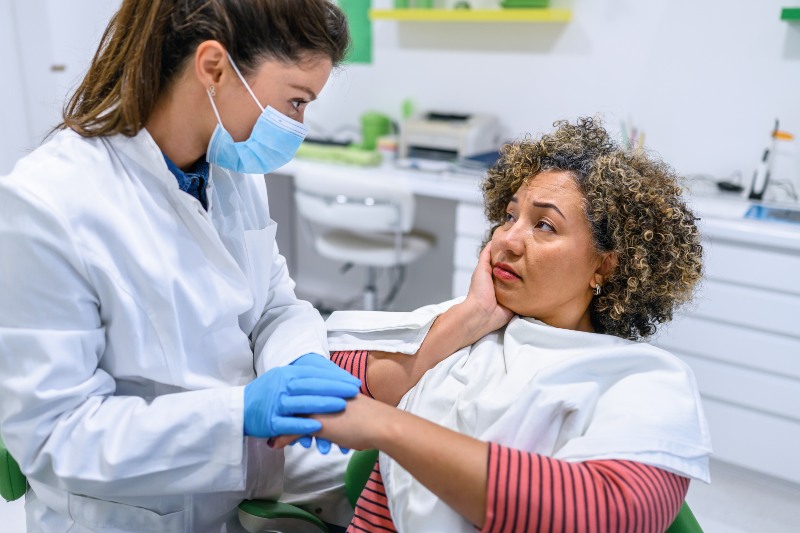
What Constitutes a Dental Emergency?
A dental emergency typically involves sudden, severe trauma or acute pain that disrupts your daily life. Unlike minor sensitivity, a true crisis involves uncontrollable bleeding, a knocked-out tooth, or an agonizing ache signaling a deep infection. If you experience swelling in the jaw or gums alongside a fever, immediate intervention is vital to prevent systemic issues. Prompt clinical treatment ensures that a manageable problem doesn’t spiral into permanent tooth loss, making swift action the cornerstone of effective urgent oral care.
Initial Assessment: Is It a Dental Emergency?
Recognizing a genuine dental crisis requires a keen eye for symptoms that demand immediate professional attention. While some oral discomforts can wait for a scheduled visit, sudden injuries or intense infections carry high stakes that threaten your well-being and ability to carry out a normal routine. Evaluating your specific situation helps you decide if a trip to the emergency clinic is truly necessary. Hi-Tech Family Dentistry recommends giving yourself an initial assessment and asking yourself questions about your urgent dental issue, such as the following:
- Are you enduring throbbing pain that persists after taking standard over-the-counter medication?
- Did an impact cause a tooth to become loose, cracked, or completely knocked out?
- Is there visible swelling in your gums or facial area?
- Is your mouth bleeding uncontrollably despite applying firm, steady pressure?
General First-Aid Steps for Any Dental Emergency
If you face a sudden dental crisis, immediate action often dictates whether a tooth can be saved. For a knocked-out permanent tooth, gently rinse it with water, avoiding the root, and try placing it back into the socket. If that is impossible, tuck it inside your cheek or submerge it in a small container of milk to keep the cells alive. Persistent bleeding requires biting down firmly on clean gauze for roughly twenty minutes. To manage intense swelling or localized throbbing, apply a cold compress to your jawline. These temporary measures provide crucial stabilization until you can reach a professional dentist for restorative care.
Specific Situations & What to Do Immediately
Acting swiftly during a sudden dental crisis often dictates whether a tooth can be saved. Understanding these immediate protocols ensures you remain calm and effective while managing pain or structural damage. Below are examples of common emergency situations and what to do immediately:
- Cracked Enamel – Immediately rinse with warm saltwater to cleanse the area. Apply a cold pack to your cheek to minimize facial swelling until your urgent appointment.
- Lost Filling – Protect the exposed cavity by placing a piece of sugarless gum or over-the-counter dental cement into the void to prevent sensitivity and further decay.
- Abscess – If you notice a painful, pimple-like bump on your gums, rinse frequently with mild saltwater and contact a clinic immediately to prevent the infection from spreading.
What Not to Do Before Reaching the Clinic
While waiting for emergency dental care at a practice like Hi-Tech Family Dentistry, avoid taking aspirin directly against the gums. This chemical contact often causes painful tissue burns rather than easing the ache. You should also skip using sharp metal tools or toothpicks to probe deep into a damaged tooth or loose crown. Doing this usually makes structural fractures much worse. Lastly, steer clear of very hot or icy beverages. Extreme temperatures frequently trigger agonizing nerve spasms when the inner pulp of your tooth is suddenly exposed to the air.
Information to Prepare Before You Arrive at the Clinic
To expedite your treatment, have your insurance details and a list of current medications ready for the front desk. You should be prepared to describe exactly when the pain started and what specific triggers, like pressure or cold, make it worse. If you’ve suffered a physical impact, note any signs of a fever or swelling in your jaw. Having these facts organized helps the dental team diagnose the issue quickly, ensuring you get relief without unnecessary delays during your appointment.
Professional Advice for Dental Pain & Swelling
When sudden throbbing strikes, immediate management is vital to prevent further infection or structural loss. Start by rinsing your mouth with warm saltwater to clear debris and reduce localized inflammation. If you notice significant facial swelling or a high fever, head to an urgent care facility immediately because these signs often indicate a spreading abscess. While waiting for your assessment, avoid applying heat directly to your cheek. This can exacerbate blood flow to the inflamed nerve. Relying on professional intervention rather than home remedies ensures the root cause is addressed, preserving your natural smile and long-term oral health.
Prevention Tips to Avoid Future Emergencies
Maintaining a healthy mouth requires more than just reacting to pain. This responsibility demands an ongoing proactive strategy. Consistent daily habits and professional oversight are the primary defenses against sudden, agonizing dental crises. The following are some helpful tips to help you avoid dental emergencies in the future:
- Daily Hygiene – Brush twice daily and floss to disrupt plaque buildup.
- Routine Checkups – Visit your dentist every six months for professional cleanings.
- Protective Gear – Wear a custom mouthguard during high-impact sports.
- Dietary Choices – Limit sugary snacks and acidic beverages that erode enamel and invite harmful bacterial growth.
Get in Touch With Hi-Tech Family Dentistry Today
Don’t hesitate to get professional help from your local dentist whenever a dental emergency happens. You could experience sudden or chronic oral pain, or a slip and fall could knock one of your teeth loose. The best action is to arrange emergency dental care as soon as possible to alleviate the pain and restore your oral health and comfort. Contact us today to schedule regular dental care or emergency services.
Dental Emergency FAQs for Sudden Issues
What Should I Do if a Permanent Tooth Is Suddenly Knocked Out During an Accident?
Pick the tooth up by the crown, rinse it gently, and try reinserting it or storing it in cold milk.
How Can I Tell the Difference Between a Minor Toothache and a True Dental Emergency?
Severe pain accompanied by swelling, fever, or bleeding indicates an urgent crisis that requires immediate professional evaluation to save teeth.
Are Emergency Dental Visits Significantly More Expensive Than Standard Scheduled Appointments?
Costs vary based on the procedure, but many offices offer flexible payment plans to help manage unexpected urgent care expenses.