
Pros and Cons of Cosmetic Dental Bridges
Pros and Cons of Cosmetic Dental Bridges
Do you want to fill in gaps from missing teeth with beautiful restorations that match your natural teeth and enhance your aesthetic appeal? Many people in Southfield, MI use cosmetic dental bridges to perfect their smiles after losing one or more teeth. Hi-Tech Family Dentistry is well-versed in the value that these bridges have for countless patients. We want every person to have the flawless grin they desire while preserving their remaining teeth’s position and condition. Before investing in these restorations, people must weigh the pros and cons of dental bridges to decide if a dental bridge’s advantages are worth dealing with its disadvantages. On this page, we discuss this topic to help you determine if a cosmetic dental bridge is the best choice for your oral health and appearance.
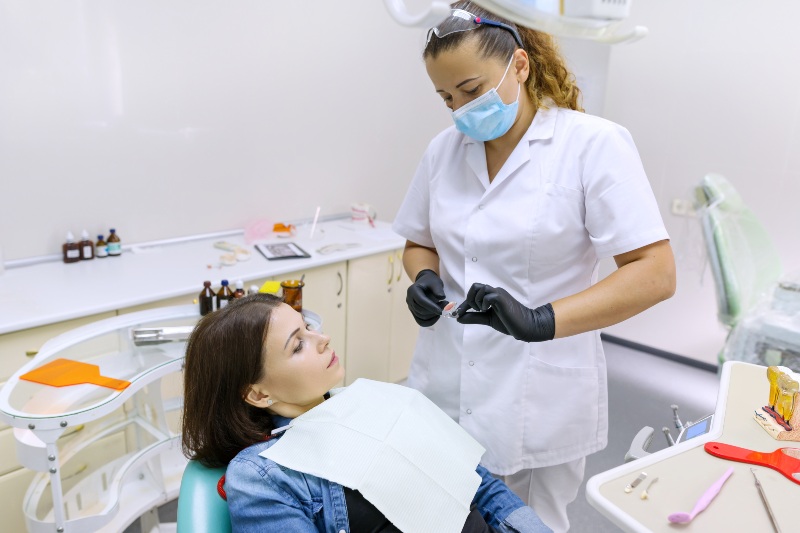
What Are Cosmetic Bridges?
Cosmetic dental bridges are a fixed solution for replacing one or more missing teeth by literally bridging the gap left behind after tooth loss. This restoration consists of two main components: abutments, which are the anchoring crowns placed on the natural teeth flanking the space, and a pontic, the custom-crafted artificial tooth that sits in the middle. People typically choose this treatment to regain full chewing functionality and prevent their surrounding teeth from shifting out of alignment. Beyond the structural advantages, bridges significantly enhance facial aesthetics by restoring a complete, natural-looking smile that boosts personal confidence and speech clarity.
Pros of Cosmetic Bridges for Oral Aesthetics
Choosing a custom dental bridge offers a practical way to safeguard your oral health while subtly erasing the visible gaps left by missing teeth. When a tooth is lost, the surrounding neighbors often begin to tilt or drift into the empty space, which can eventually disrupt your bite and cause jaw discomfort. By filling that void with a durable prosthetic, you create a sturdy barrier that keeps everything in its proper place. Moreover, dental professionals meticulously shade these custom-made bridges to match your enamel. This thoughtful measure ensures your smile looks refreshed and naturally vibrant. With a dental bridge, you can speak clearly and laugh without a second thought about your appearance.
Cons of Cosmetic Bridges as Restorations
Despite the aforementioned benefits, opting for a fixed bridge involves certain drawbacks that patients should weigh carefully. A primary dental bridge disadvantage is the permanent alteration of adjacent healthy teeth. Dental professionals must significantly file down these abutment teeth to support the crowns. The process can potentially weaken their natural structure over time. Furthermore, cleaning beneath the artificial pontic requires specialized flossing tools because plaque buildup in these hard-to-reach areas often leads to localized gum inflammation or decay. Because bridges don’t stimulate the underlying jawbone like implants do, some bone recession might still occur. Eventually, most bridges require replacement due to wear, adding to long-term dental costs.
Who Are the Best Candidates for Cosmetic Bridges?
Ideal candidates for dental bridges are typically adults who possess strong, decay-free teeth on either side of a gap to act as reliable anchors. Clinical suitability hinges largely on the health of the surrounding gingival tissue and the density of the remaining alveolar bone. While younger patients often prefer implants to avoid altering natural enamel, older demographics frequently choose bridges because of their immediate results and lower surgical requirements. Those who keep on top of diligent oral hygiene habits and attend regular checkups tend to see the highest success rates, ensuring the prosthetic remains stable against daily mechanical stresses while chewing.
What Alternatives to Cosmetic Bridges Are Available?
If bridges or implants don’t suit your specific needs, several other restorative paths exist. Exploring these substitutes ensures you find a comfortable, functional fit that matches your unique lifestyle and budget. Below are common examples of alternatives to dental bridges:
- Removable Partial Dentures – These appliances use metal clasps or aesthetic connectors to hook onto your natural teeth. They are highly cost-effective and easy to repair if damaged over time.
- Flexible Partials – Crafted from specialized heat-sensitive plastic, these offer a lightweight alternative to metal. They blend seamlessly with gum tissues, providing enhanced comfort for those with sensitive mouths.
- Dental Implants – Unlike bridges and partials, implants replace missing roots, preserving adjacent teeth and providing a permanent, stable foundation for lifelike porcelain crowns.
Achieve a Beautiful Smile at Hi-Tech Family Dentistry
Hi-Tech Family Dentistry is ready to resolve dental issues like tooth loss at our Southfield-area practice. We understand the impact lost teeth can have on your confidence, speech, comfort, and chewing ability. With cosmetic dental bridges, you can smile brightly again and enjoy speaking and eating without worry. Our team will gladly assess your oral health and cosmetic needs to determine if a dental bridge is a suitable option for your pearly whites. Reach out to us today to learn more about the risks and benefits of dental bridges and schedule treatment.
Answering Common Questions About Cosmetic Bridges
Will My Facial Structure Change After Receiving a Bridge?
Bridges help maintain your natural face shape by preventing surrounding teeth from shifting. By filling the gap, they provide the necessary support to your lips and cheeks, helping prevent a sunken appearance.
How Does a Bridge Affect My Ability to Speak Clearly?
Missing teeth often cause stutters or whistling sounds. A custom-fitted bridge restores proper tongue placement and airflow, allowing you to speak clearly and regain your confidence during social conversations.
Can I Still Enjoy Crunchy or Sticky Foods With a Bridge?
While bridges are durable, it is wise to avoid extremely hard candies or sticky taffy. Cutting firm fruits into smaller pieces protects the ceramic structure and ensures your restoration lasts longer.