
Can You Whiten Restorations Like Crowns and Veneers?
Can You Whiten Restorations Like Crowns and Veneers?
When you invest in teeth whitening at a dental office, you might not realize that the restoration in your mouth won’t whiten like your natural teeth. Whitening dental restorations in Southfield, MI might not seem like a big deal until they stand out from your pearly molars and incisors. Hi-Tech Family Dentistry is well-versed in this issue and can help you address the problematic effects of brighter teeth with darker crowns, veneers, and fillings. Our practice proudly helps patients achieve and maintain their best possible smiles, including answering questions like, “Can you whiten crowns, fillings, and other restorations?” With dental methods and technology, we’ll help you with filling, crown, and veneer whitening options and provide valuable information about the topic below.
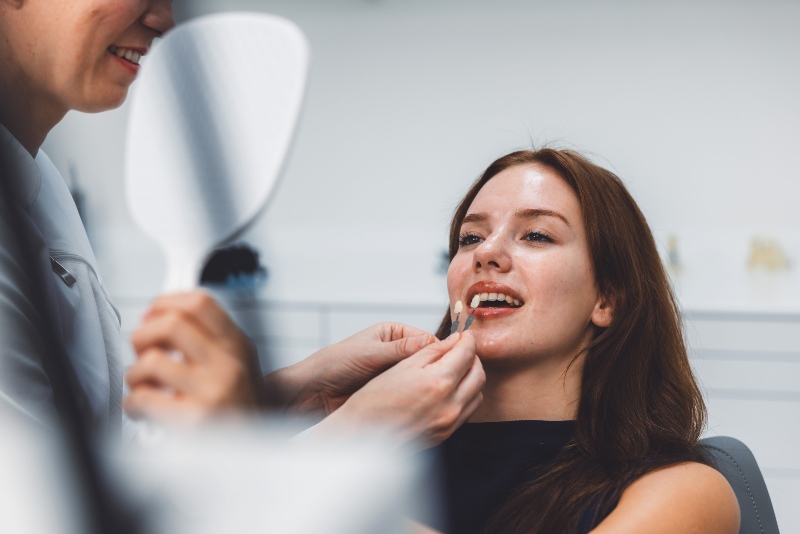
What Are Dental Restorations?
Dental restorations act like a reset button for your teeth when damage strikes. Think of them as custom building blocks, such as fillings, crowns, and implants, that we use to rebuild the natural structure of your mouth. When you face a cavity or broken tooth, we apply these tough materials to fix the problem and restore your bite. By addressing these issues early, we prevent further decay, keep your mouth healthy, and protect the confident smile you share with everyone.
How Whitening Works on Natural Teeth
Brightening your smile involves a specialized chemical process in which professional-grade peroxide gels penetrate the porous, crystalline structure of your enamel. Unlike over-the-counter strips that merely scrub away surface debris, these high-concentration whitening agents travel deeper to break apart stubborn carbon bonds responsible for deep-seated stains and yellowing. As these oxygen molecules spread, they effectively dissolve discoloration without altering the tooth’s fundamental structure. At Hi-Tech Family Dentistry, our clinical team provides tailored whitening solutions designed to minimize sensitivity while maximizing brilliance. We take pride in helping patients achieve a radiant, refreshed look through safe and predictable cosmetic enhancements.
Why Crowns, Veneers, & Fillings Don’t Whiten
It’s essential to understand that professional bleaching agents are engineered specifically to interact with organic tooth enamel, not synthetic dental materials. Components like porcelain, composite resin, and glass ionomer, the building blocks of crowns, veneers, and fillings, have non-porous structures that remain impervious to oxidation. While natural teeth brighten as oxygen molecules penetrate the surface, these restorative features hold their original factory-set pigment regardless of treatment duration. Consequently, undergoing a whitening procedure may inadvertently highlight older dental work. As your natural teeth lighten, your restorations stay the same. This issue potentially requires replacement of those pieces to match your new, vibrant smile.
Options if Restorations Look Darker After Whitening
If you notice your crowns or veneers appear dull compared to your newly brightened enamel, you don’t need to worry. You have several effective pathways to perfect your smile and achieve a uniform look, including the following:
- Composite Bonding Replacement – Your dentist can strip away the old, mismatched resin and apply a fresh layer of composite material that mimics your lightened tooth shade perfectly.
- New Porcelain Crowns – If your existing dental crowns look too dark, upgrading to high-quality porcelain allows for a custom color match that seamlessly blends with your revitalized, pearly white natural teeth.
- Veneer Upgrades – Since porcelain resists bleaching agents, replacing older shells with thinner, modern veneers ensures your entire smile displays a consistent, radiant glow across every single visible surface.
Tips to Prevent Discoloration of Restorations
To keep your dental restorations looking pristine after a professional whitening treatment, you should treat your mouth like a canvas that needs protection. The most effective strategy involves being mindful of what passes your lips. Staining agents like dark espresso, robust red wines, and pungent curries can leave stubborn residues on porcelain and composite resin. Sipping through a straw helps bypass your front teeth entirely, significantly reducing direct contact with pigments. Additionally, rinsing your mouth with plain water immediately after meals prevents acids from etching the surface, ensuring your whitening investment remains bright and uniform for years to come.
When Whitening Is Still Possible Around Restorations
Beyond the daily maintenance of your diet, timing becomes a critical factor when coordinating professional whitening with restorative work. Since bleaching gels only lighten organic enamel, your dentist might suggest whitening your natural teeth first before matching new crowns or veneers to that updated shade. If you already have existing restorations that appear dull, you can still brighten your overall look. However, you must be prepared to replace those specific pieces once the surrounding teeth reach their peak brightness. This proactive approach ensures a seamless finish with an even appearance, preventing any older, darker dental work from clashing with your refreshed and radiant new smile.
Brighten Your Smile With Hi-Tech Family Dentistry
Hi-Tech Family Dentistry works hard to keep your teeth, gums, and oral cavity in the best possible condition for a lifetime of smiling, speaking, and enjoying food. If you want a brighter smile to show off to friends and family, our dental practice gladly offers professional teeth whitening. You must keep in mind that with brighter natural teeth, your restorations might stand out because whitening doesn’t affect them. In these cases, replacing your dental restorations might be the best way to achieve a brilliant, uniform smile. Contact us today to schedule teeth whitening and find out how we can resolve issues with your restorations.
Answers to FAQs About Whitening Restorations
Can I Use High-Strength Whitening Gels to Change the Color of Crowns or Composite Bonding Material?
Bleaching agents only penetrate organic tooth structure. They cannot alter the manufactured pigment trapped within synthetic dental ceramics or resin materials.
How Long Should I Wait After Whitening Before I Schedule an Appointment to Replace My Old Restorations?
Wait roughly two weeks for the oxygen levels to stabilize and the shade to settle before matching new dental work perfectly.
Will Professional Polishing at a Routine Cleaning Help My Old Veneers Blend in Better With My Newly Brightened Teeth?
Polishing removes surface stains but won’t change the underlying color or shade, so replacement remains the only way to achieve total color uniformity.